
Select your language


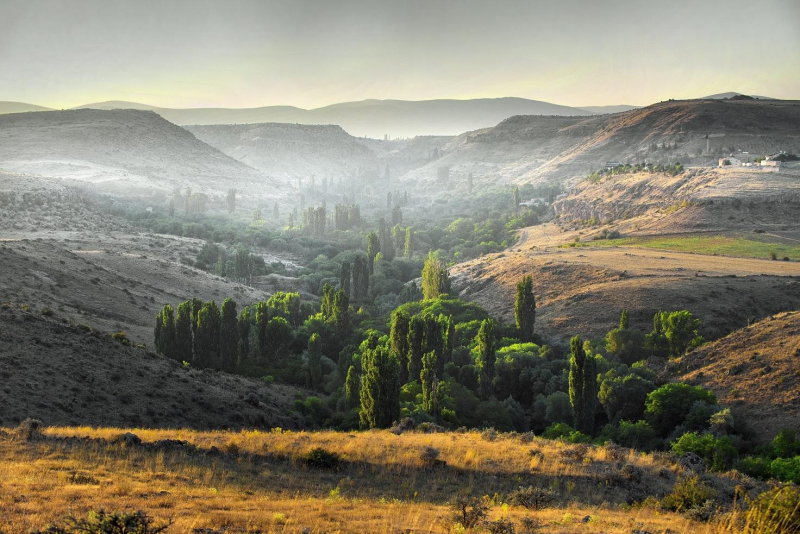
Koramaz Valley, located in the Melikgazi district of Kayseri, Türkiye, is one of Anatolia’s most remarkable natural and cultural heritage sites. Stretching approximately 12 kilometers, the valley stands out with its volcanic rock formations, rock-carved settlements, historical churches, and multi-layered cultural heritage. Added to the UNESCO World Heritage Tentative List in 2020, Koramaz Valley has become one of the most significant destinations for both nature lovers and history enthusiasts in Central Anatolia.
Koramaz Valley is situated within the Melikgazi district, approximately 15 kilometers from Kayseri city center. The valley encompasses several historic settlements, including Ağırnas, Turan, Vekse, and Subaşı, forming a wide cultural and natural heritage zone.
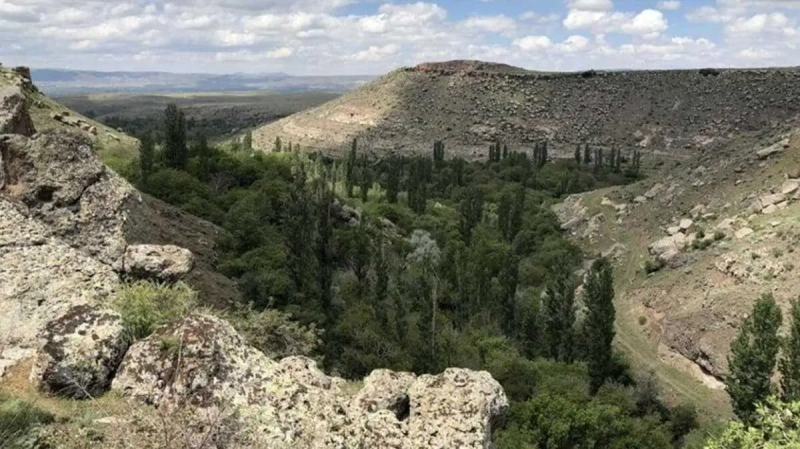
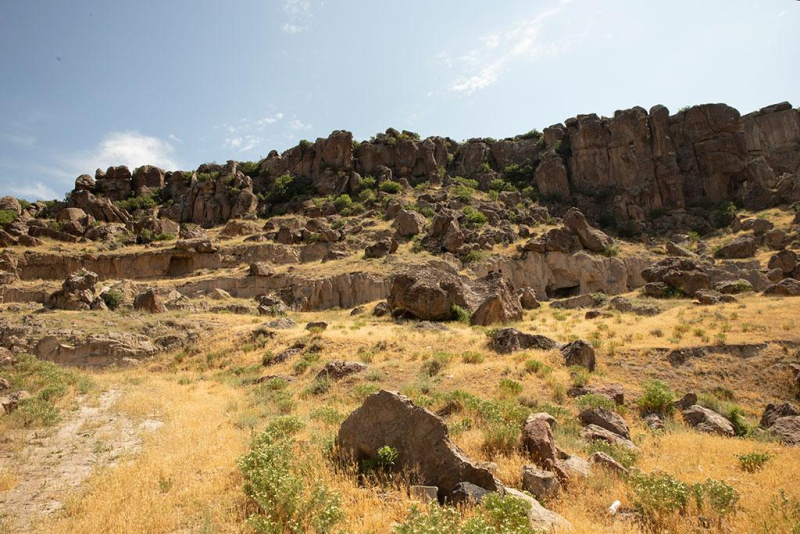
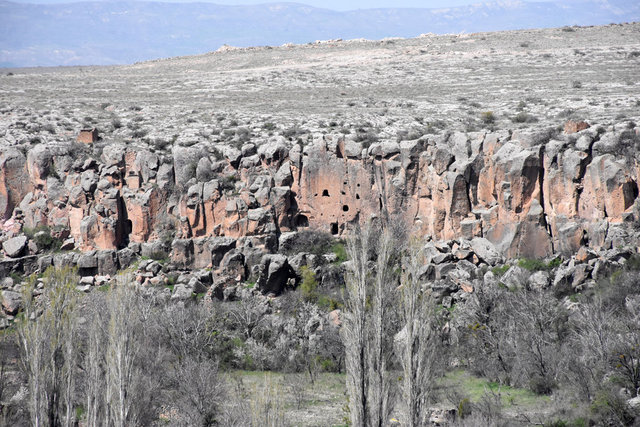
Koramaz Valley is one of the finest examples of Central Anatolia’s volcanic landscape. It was shaped by volcanic activity from Mount Erciyes millions of years ago. Over time, tuff and ignimbrite rock formations were carved by wind and water erosion, creating the valley’s unique geological structure.
With elevations ranging between 250 and 1,550 meters, the region hosts diverse ecosystems. The Koramaz Stream flowing through the valley plays a crucial role in sustaining local biodiversity and feeding nearby water systems.
Koramaz Valley preserves traces of Roman, Byzantine, Seljuk, and Ottoman civilizations, making it a multilayered historical landscape. According to UNESCO records, the valley includes:
Some of the underground settlements are believed to be interconnected through tunnels and were historically used for defensive purposes. Particularly notable are the Byzantine frescoed churches, which reflect the region’s religious and artistic heritage.
One of the most important settlements within Koramaz Valley is Ağırnas, widely known as the birthplace of Mimar Sinan, the legendary Ottoman architect. The stone houses, underground structures, and historical streets of Ağırnas continue to preserve the cultural identity of the region.
Today, Koramaz Valley is becoming an increasingly popular destination for eco-tourism and cultural exploration. Visitors can enjoy:
Especially during spring and autumn, the valley offers breathtaking landscapes combined with rich historical atmosphere.
Koramaz Valley was included in the UNESCO World Heritage Tentative List in 2020 due to its outstanding natural and cultural significance. Restoration and preservation efforts continue under the coordination of Kayseri Metropolitan Municipality and various cultural heritage organizations.
The valley is considered a strong candidate for permanent UNESCO World Heritage status and is emerging as one of Türkiye’s rising cultural tourism destinations.